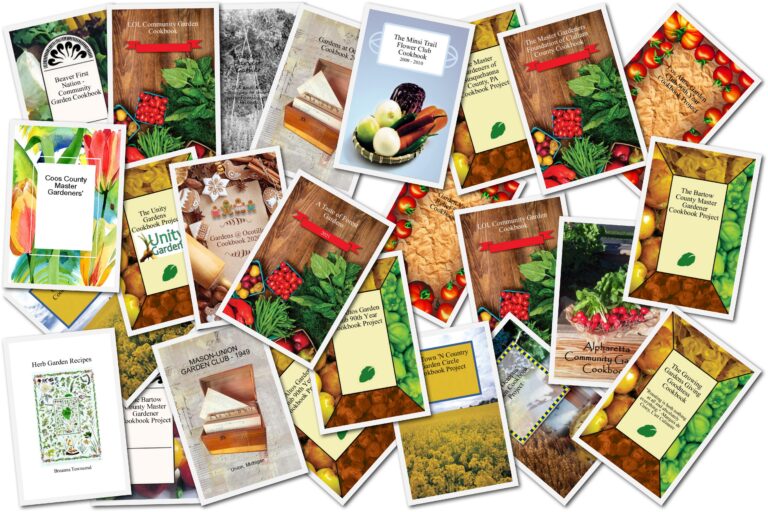

Including Advertisements in Your Fundraising Cookbook: Partnering with Local Businesses for Sponsorships
When it comes to fundraising cookbooks, the recipes and stories therein are the stars. However, integrating advertisements can provide an added revenue stream, making the endeavor even more profitable. Partnering with local businesses for sponsorships and ads not only covers production costs but also fortifies community ties.
Understanding the Value Proposition
- Mutual Benefits: Local businesses gain visibility among community members, while the fundraiser benefits from additional revenue and potentially reduced production costs.
- Enhanced Community Engagement: Local sponsorships can amplify the local flavor of the cookbook, turning it into a community project rather than just a fundraiser.
Types of Advertisements
- Full-Page Ads: These are the most prominent and can be positioned at the beginning, middle, or end of the cookbook.
- Half-Page or Quarter-Page Ads: Ideal for businesses with a smaller budget, they can be interspersed throughout.
- Special Mentions: Highlight a business in a special section dedicated to sponsors or weave their story in relevant parts of the cookbook.
- In-Recipe Ads: If a local store sells a particular ingredient, it can be mentioned within the recipe.
Approaching Businesses for Sponsorship
- Research Potential Partners: Focus on businesses that align with your cause or theme. For a cookbook, local grocery stores, kitchenware shops, or eateries are apt choices.
- Craft a Proposal: Detail the cookbook’s purpose, its reach, and the mutual benefits of sponsorship. Clearly outline ad sizes, positions, and costs.
- Host a Pitch Meeting: Organize a presentation, possibly coupled with a tasting session of some recipes, to entice potential sponsors.
- Offer Varied Packages: Different tiers of sponsorship can cater to businesses of all sizes and budgets.
Pricing the Ad Spaces
- Understand Production Costs: Factor in the design, printing, and distribution expenses of the cookbook.
- Determine Value: Ad spaces in prominent positions, like the back cover or centerfold, should be priced higher.
- Offer Early Bird Discounts: To encourage quick commitments, offer a reduced rate for early sponsors.
- Bundle Deals: Packages combining different ad sizes and positions can cater to businesses looking for more extensive promotion.
Maintaining the Cookbook’s Integrity
- Limit Ad Number: To ensure the cookbook remains primarily content-driven, limit the number of ads.
- Quality Control: Ensure advertisements are of high quality, both in design and content. They should complement the cookbook’s aesthetic.
- Relevant Ads Only: Ads should be relevant to the cookbook’s audience. For instance, a gardening store ad in a vegetarian cookbook makes sense.
Building Long-Term Relationships
- Regular Updates: Keep sponsors informed about the cookbook’s progress, launch events, and sales figures.
- Feedback Loop: After the cookbook’s release, gather feedback from sponsors to understand what worked and what can be improved for future collaborations.
- Acknowledge Partners: Beyond just ads, acknowledge the support of local businesses in the preface or a special section of the cookbook.
Conclusion
Incorporating advertisements in a fundraising cookbook, when done judiciously, can greatly enhance the financial success of the project. It provides a platform for local businesses to shine and connect with the community, reinforcing the adage that, in unity, there is strength. A well-integrated partnership strategy not only covers costs but also weaves a tighter community fabric, underlining the essence of a communal cookbook.
Bill Rice is the Co-Publisher of Family Cookbook Project and CookbookFundraiser.com which helps individuals, churches, schools, teams and other fundraising groups create cherished personalized cookbooks using AI tools, peer-to-peer tools and the power of the Internet to meet group funding needs Follow Family Cookbook Project on Facebook, Instagram, Twitter (X), TikTok, YouTube and Pinterest!