

From the Altar to the Oven: Church Cookbooks as Community Builders
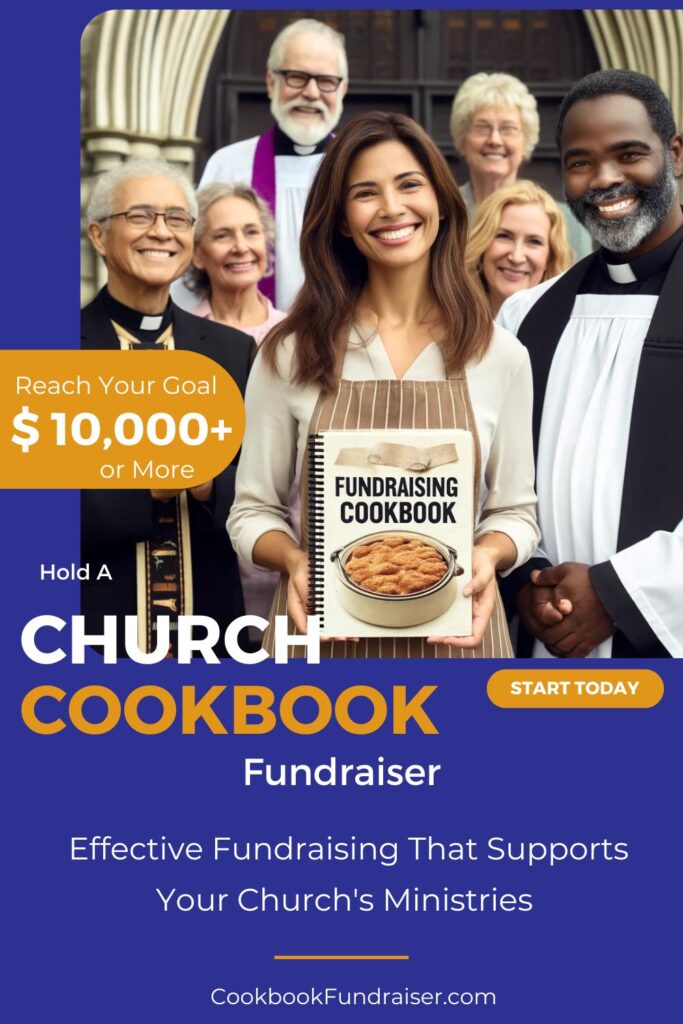
For generations, the church has served as the anchor of many communities, offering spiritual guidance, support, and a sense of belonging. Another time-honored tradition, especially in many Christian communities, is the creation of church cookbooks. These culinary compilations serve as more than just repositories of recipes; they are a testament to the power of food in fostering unity, celebrating diversity, and solidifying a community’s shared identity.
Historical Significance
- A Tradition of Togetherness: Church cookbooks have historically been tools of unity, with congregation members coming together to contribute recipes, anecdotes, and personal stories.
- Fundraising Endeavors: These cookbooks often serve dual purposes: preserving culinary heritage and raising funds for church projects, missions, or community outreach programs.
Gathering Recipes: A Community Effort
- Diverse Dishes: Encourage members to submit recipes that reflect their individual backgrounds, leading to a rich tapestry of culinary traditions.
- Tales with Taste: Alongside recipes, incorporate stories about the dish’s significance, be it a family tradition, a festive staple, or a cherished memory.
- Prayerful Plates: Integrate short prayers, blessings, or verses related to meals and gratitude.
Design and Production
- Church-Themed Aesthetics: The design can echo church architecture, stained glass patterns, or other symbolic elements.
- Involving the Youth: Engage the younger generation in the layout, design, and perhaps even illustration, bridging the generational gap.
- Eco-friendly Choices: Opt for sustainable printing methods and materials, reflecting the church’s commitment to stewardship of the Earth.
Promotion and Sales
- Sunday Sales: Set up a stall after services, allowing congregation members to browse and purchase the cookbook.
- Community Events: Church fêtes, bake sales, or other events offer the perfect platform for promotion.
- Digital Outreach: Utilize the church’s website, newsletters, and social media channels to reach a broader audience, even beyond the congregation.
Celebrating Diversity
- Multicultural Meals: In ethnically diverse congregations, the cookbook can be a celebration of global cuisines, showcasing the universal language of food.
- Festive Feasts: Highlight dishes specific to religious festivals, offering insights into different celebrations and their culinary traditions.
Building Relationships Beyond the Congregation
- Interfaith Initiatives: Collaborate with other religious institutions in the area to create a multi-faith cookbook, celebrating the unity in diversity.
- Local Business Partnerships: Engage local businesses for sponsorships, advertisements, or collaborative events, reinforcing community ties.
Legacy and Continuation
- Editions over the Years: Regularly update and release new editions, preserving new recipes and stories, ensuring the cookbook remains a living document.
- Digital Archives: Consider creating a digital version or an online archive, making the cookbook accessible to a global audience and future generations.
Conclusion
From potluck dinners to festive feasts, food has always played a pivotal role in church gatherings. A church cookbook, thus, is not just a collection of recipes; it’s a chronicle of a community’s journey, faith, and shared experiences. It serves as a reminder that, just as diverse ingredients come together to create a delightful dish, diverse individuals come together to form a harmonious community. In the end, the church cookbook is a testament to the adage that the way to the heart is indeed through the stomach.
Bill Rice is the Co-Publisher of Family Cookbook Project and CookbookFundraiser.com which helps individuals, churches, schools, teams and other fundraising groups create cherished personalized cookbooks using AI tools, peer-to-peer tools and the power of the Internet to meet group funding needs Follow Family Cookbook Project on Facebook, Instagram, Twitter (X), TikTok, YouTube and Pinterest!