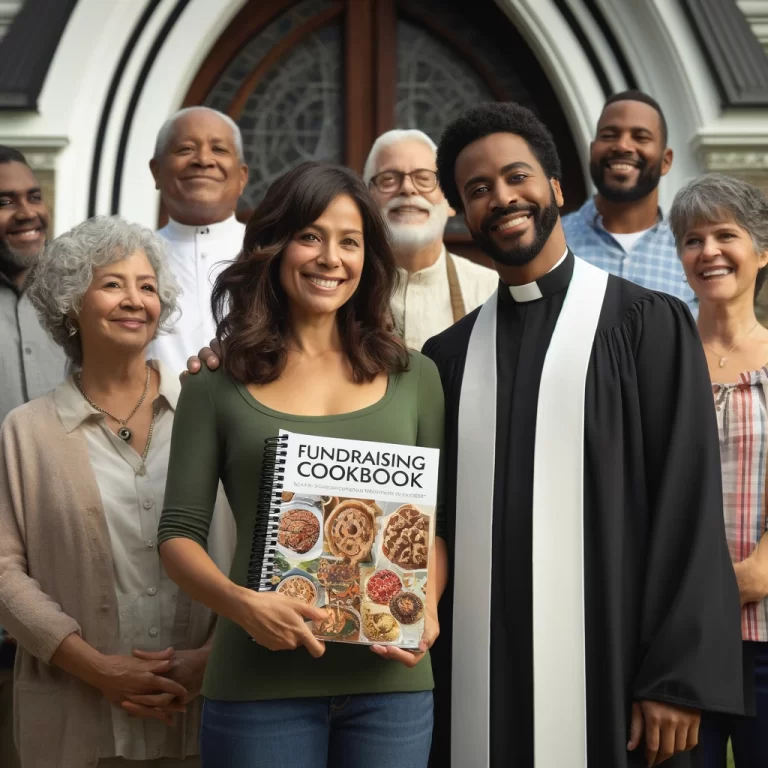

Church Fundraising Cookbooks: How and Why to Get Everyone in the Congregation Involved
Churches have long been the epicenters of community, faith, and fellowship. The act of coming together to create a fundraising cookbook not only serves as a brilliant method to raise funds for church activities and missions but also strengthens the bonds between congregation members. Here’s how and why to make this a collective endeavor.
The Importance of Inclusivity
- Building a Stronger Community: Engaging everyone fosters a sense of ownership and belonging, reinforcing the community’s bonds.
- Diverse Perspectives: A congregation is a melting pot of cultures, backgrounds, and experiences. Inclusivity ensures a rich tapestry of recipes and stories.
- Shared Responsibility: When the whole congregation is involved, the workload is distributed, making the project more manageable and enjoyable.
Ways to Involve Everyone
- Recipe Collection Drives: Invite members to share their cherished family recipes, ensuring varied and authentic content.
- Design and Artwork: Engage artistic members in designing the cover, illustrations, or even page layouts. This adds a personal touch to the cookbook.
- Storytelling Sessions: Organize events where members can share the stories or memories associated with their submitted recipes, fostering deeper connections.
- Youth Engagement: Get the youth involved in activities like photography, digital layout, or even promoting the cookbook on social media.
- Test Cooking: Arrange sessions where recipes are cooked and tested by different age groups, ensuring clarity and reliability.
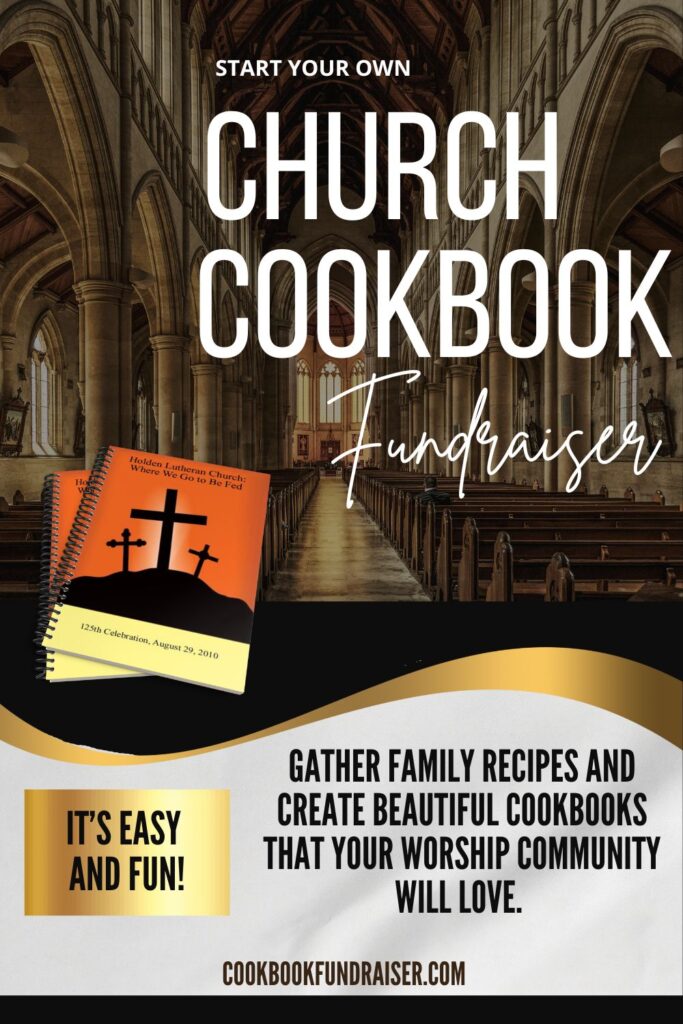
Promotion and Sales
- Testimonials: Use personal testimonies from congregation members on the importance of the cookbook project, making promotions more relatable.
- Sunday Announcements: Regularly update the congregation on the cookbook’s progress during services, keeping enthusiasm alive.
- Themed Church Events: Organize potluck dinners or bake sales showcasing recipes from the book, serving as a teaser for potential buyers.
Building Connections Beyond the Book
- Shared Cooking Sessions: Post-release, organize community cooking sessions where members cook together using the cookbook’s recipes, fostering fellowship.
- Feedback Loops: Encourage members to provide feedback on recipes they’ve tried, which can be useful for future editions or projects.
- Digital Engagement: Create an online platform or forum for members to share additional recipes, cooking tips, or even tweaks they made to the cookbook’s recipes.
Financial Transparency and Goal Setting
- Clear Communication: Clearly communicate the fundraising goals, the purpose of the funds, and regular updates on the amount raised.
- Involve in Decision Making: Allow members to vote or give suggestions on how the raised funds will be utilized, ensuring transparency and inclusivity.
Conclusion
A church fundraising cookbook is more than just a collection of recipes—it’s a chronicle of a community’s shared faith, love, and heritage. By involving everyone in the congregation, the cookbook becomes a symbol of collective effort and
NEEDSD MORE CONCLUSION
Bill Rice is the Co-Publisher of Family Cookbook Project and CookbookFundraiser.com which helps individuals, churches, schools, teams and other fundraising groups create cherished personalized cookbooks using AI tools, peer-to-peer tools and the power of the Internet to meet group funding needs Follow Family Cookbook Project on Facebook, Instagram, Twitter (X), TikTok, YouTube and Pinterest!